
Six Figures Spent. No Pixel. No Analytics. No Results. Here Is What 30 Days With the Right System Looks Like.
Every business owner who has been burned by an agency describes the experience the same way. Money spent. Reports sent. Nothing to show for it.
The ecommerce brand in this case study is not unusual. They are the rule. A national business operating for nearly a decade, shipping products across the United States and Canada, spending approximately $3,000 per month on Meta and Google advertising, and working with multiple SEO agencies across the life of the business. Total marketing spend across those years ran well into six figures. This national ecommerce SEO case study documents what happened when the right foundation was built in 30 days.
When they came to Nico SEO in March 2026, here is what the audit found.
No Facebook Pixel had ever been installed on either of their two active websites. No Google Analytics had ever been connected to their Shopify store. No keyword-targeted content existed anywhere on either site. Blog posts were short product announcements with no buyer intent behind them. Eight Meta ads and five Google ads ran simultaneously with overlapping objectives. Each was competing against the others in the same auction, driving up their own ad costs. Zero conversion attribution meant the business owner had no way of knowing what any dollar of that spend was actually producing.
His summary of the previous agencies he had worked with: every other ad and SEO agency he talked to said nothing that convinced him they could help his business or make him more money.

What Was Built in 30 Days
The first step was not content. It was infrastructure.
On March 18, Nico SEO installed the Facebook Pixel on the primary domain via the Parkour app with Conversions API enabled. The domain allowlist was configured the same day. Within hours, live diagnostics confirmed PageView and ViewContent events firing in the platform. For the first time in the history of the business, the owner could see exactly what his ad spend was doing on the site.
That matters more than it sounds. You cannot optimize what you cannot measure. Every dollar spent before the Pixel was installed went out blind. Every campaign metric, every cost per click, every ad performance number was disconnected from actual site behavior. The business had been running on estimated results for years.
From March 25 through March 28, Nico SEO wrote two keyword-targeted SEO articles, reviewed each one with the client for technical accuracy, and published both after approval. Each article targeted a specific high-intent buyer search cluster with entity-dense content, full internal linking across all five product category pages, and structure that answered the primary query in the first 20% of the page. That structure is not how most agencies build content. Most agencies write blog posts to fill a word count. These articles were built to rank for specific terms and convert the traffic that arrives. The same infrastructure foundation appears in detail in why most small business SEO fails before it starts.
On April 1, the first synchronized Meta ad campaigns launched on a 16-day wave cycle. Two campaigns ran per article: one link click objective at 80% of budget and one engagement objective at 20%. Nico SEO built the ad creative directly from the client’s professional product photography rather than stock imagery. Audience targeting covered the county level across seven states, based entirely on the client’s actual ShipStation revenue data.
The Results Through Day 15
Cost per landing page view: $0.08 to $0.09. The ecommerce industry average for Meta link click campaigns typically runs $0.50 to $0.70 or higher. This campaign ran at six to eight times below that benchmark. Meta flagged the campaign as outperforming 80% of similar ads in its category.
Cost per post engagement: $0.06 to $0.07.
Post reactions on a single post: 1,100 plus likes. The prior record for any post in the history of the brand’s Facebook page was 23.
Sessions week over week: up from 6,755 to 7,549.
Sales in the first full campaign week: up 209%.
Google began testing the site at position 1 and position 3 for terms that had zero ranking presence before the articles published on March 28. Terms like “American made truck bed rack” and niche overland and tonneau compatibility searches that represent direct purchase intent from exactly the buyer this business needs to reach.
The client’s own words, sent on April 9: “I like what I see so far.”
What This Case Study Actually Demonstrates
Six figures spent. Multiple agencies. Years of monthly retainers. And no one had ever installed the Pixel, connected the analytics, or built a single piece of keyword-targeted content.
The results Nico SEO produced in 30 days did not come from a better advertising strategy in isolation. They came from building the foundation that should have existed from the beginning. Infrastructure first. Then keyword-targeted content built around what real buyers actually search. Then synchronized ad campaigns structured to drive behavioral signals to that content rather than just chasing clicks. Because of that sequence, every metric tied back to what actually happened on the site.
This is what handcrafted SEO looks like for a national ecommerce brand. Every system gets built from the ground up, directly by one person, for one business, with no outsourcing and no recycled playbook from a previous client.
Ready to build the foundation for your business? Use the contact form to start the conversation.
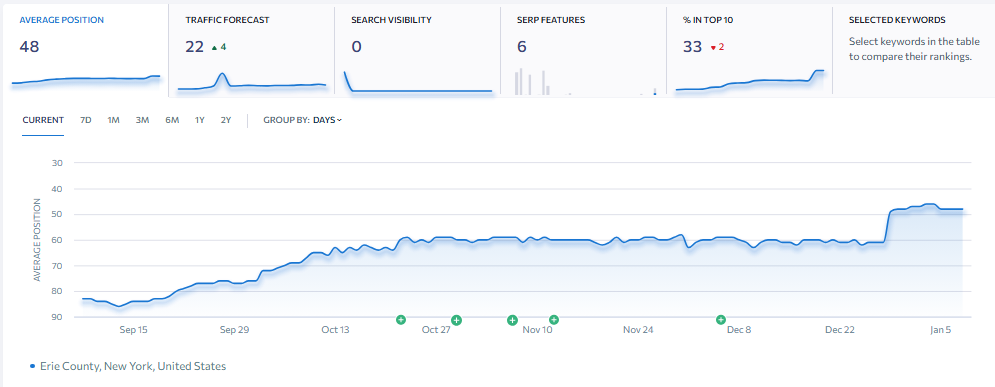
A 4-month local SEO campaign in Erie County, NY that moved average keyword position from 76 to 48 and grew top-10 rankings from 1% to 35%.
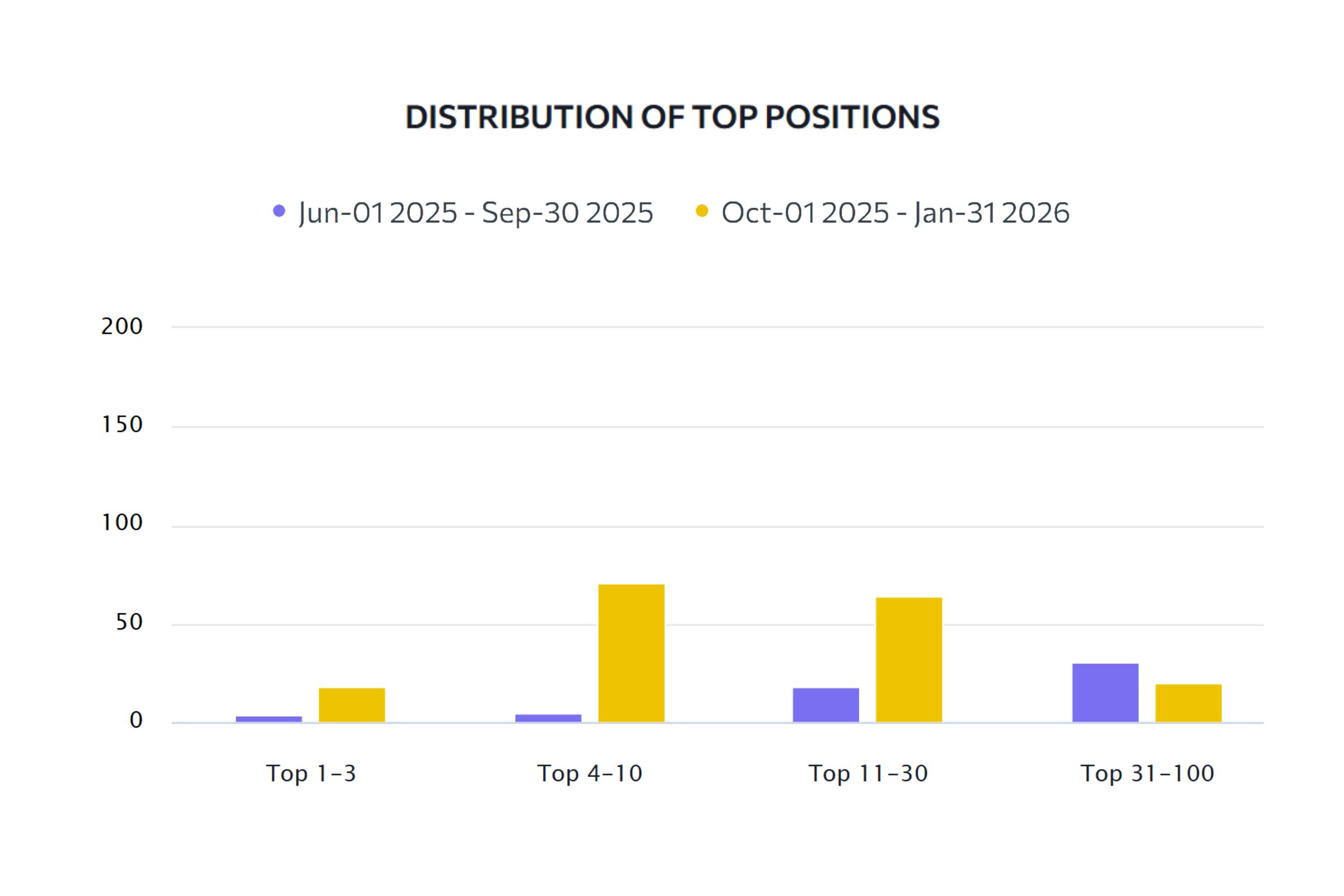
A regional home services business built real organic momentum over six months. The last invoice went unpaid. The work stopped. The rankings kept climbing anyway. Here is what the data showed and what it means for any business owner evaluating whether SEO is worth the investment.

Able Tent Rental went from 10 monthly inquiries to 31 in 90 days, earned the #1 spot in Google’s AI Overview for WNY tent rental services, and reached 60,000 unique Erie County residents through Meta advertising. Here is exactly how the campaign was built and what drove the results.